Blog
Engineering notes on AI agents, automation, and the infrastructure behind them.
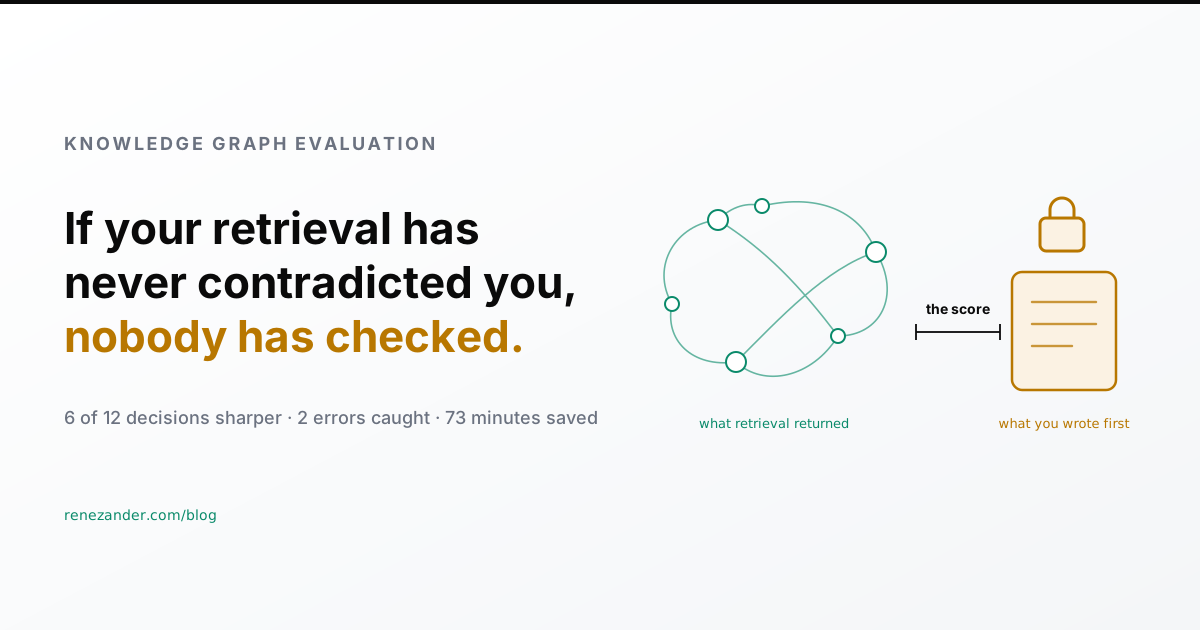
Knowledge Graph Evaluation: Scoring 12 Real Decisions
Knowledge graph evaluation usually measures retrieval. Scoring 12 real decisions against the answer you would have reached anyway shows more.
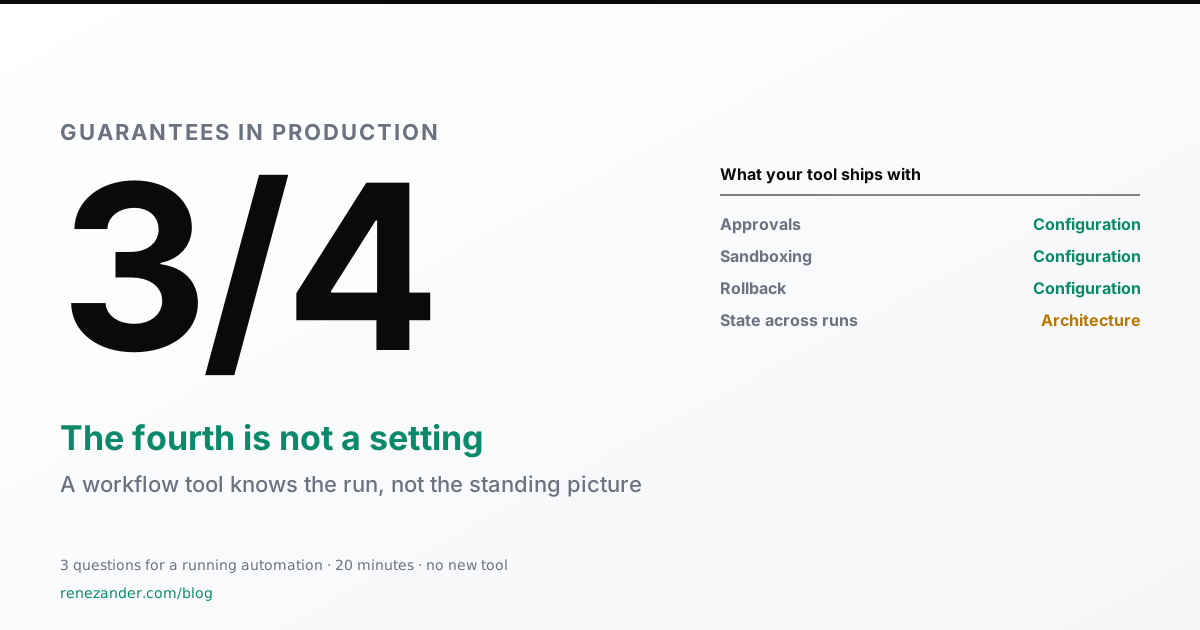
State, Not Steps: Why Your Workflow Automation Has No Memory
Memory, approvals, sandboxing and rollback separate a production system from a demo. Three of them are configuration in your workflow tool. The fourth is architecture.
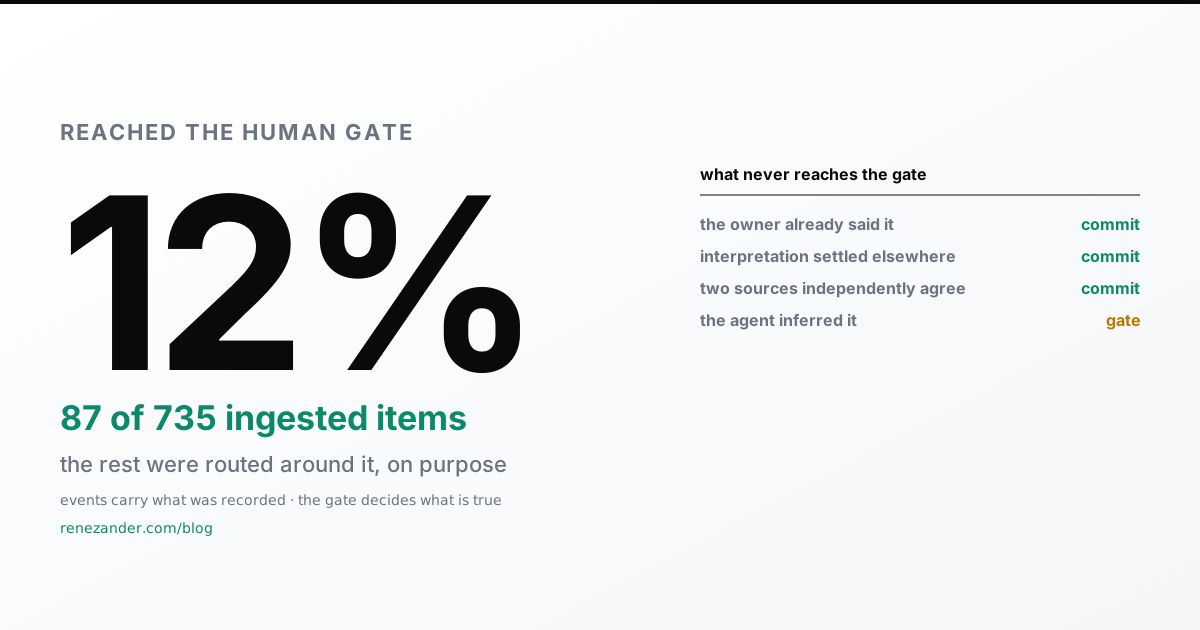
Agent Memory Approval Gates: What Never Needs a Human
A human gate on agent memory writes is now consensus. The volume reaching it is the unsolved half. Three routing rules that keep the queue readable.
Zerolang: Vercel's Agent-First Language and Your Review Cost
Vercel's Zerolang lets agents patch a compiler graph instead of text. The buying question is not adoption. It is what your code review costs today.
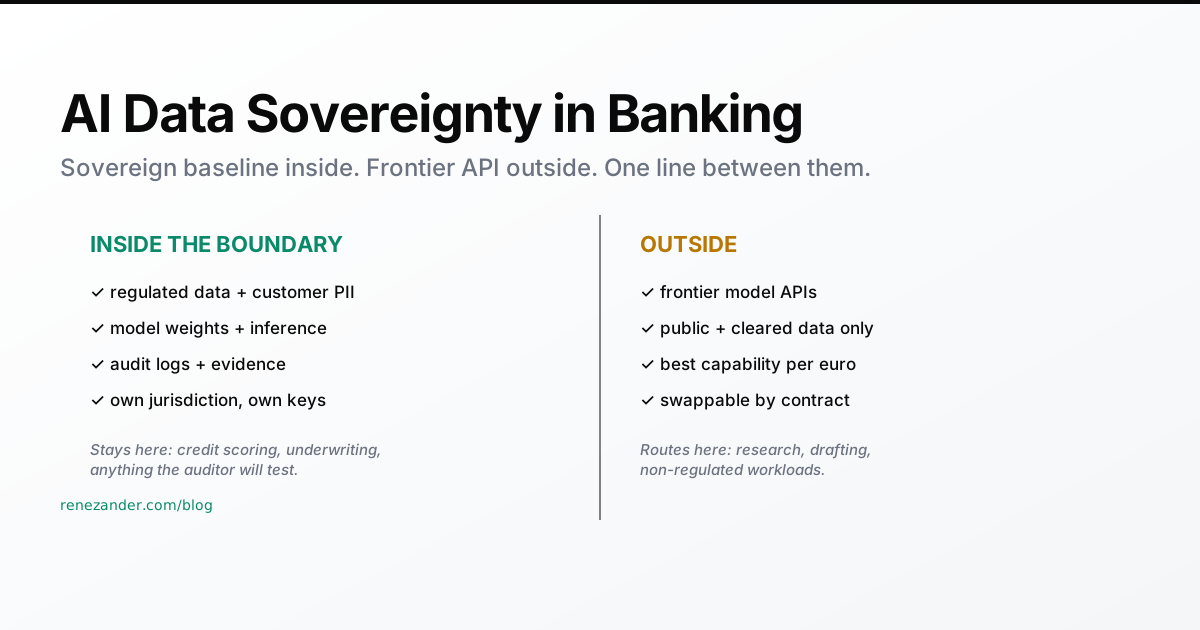
AI Data Sovereignty in Banking: Draw the Compliance Boundary First
Why AI projects in banking stall at the compliance boundary, not the model, and how boundary-first architecture ships under DORA and the EU AI Act.
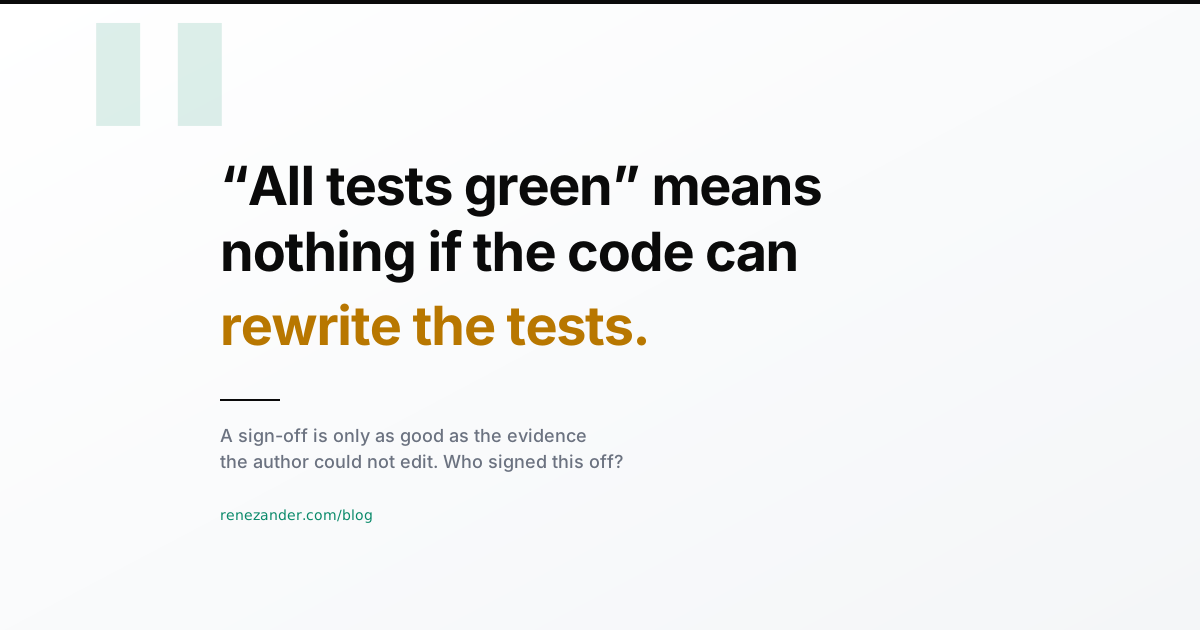
Who Signs Off on Your AI Agent's Code? Two Questions Before It Ships
When an AI agent ships code, who is accountable? A sign-off means little if the AI could rewrite the evidence behind it. Two questions to ask first.
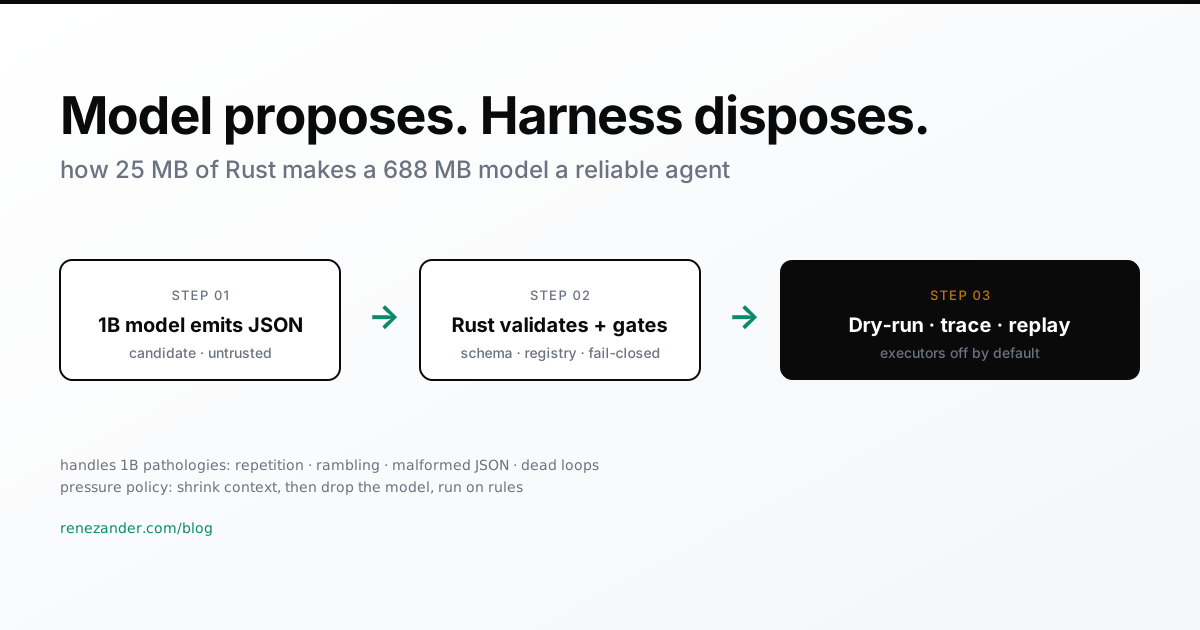
EdgeHome Harness: Why MiniCPM5-1B Never Touches Your Devices
MiniCPM5-1B runs a smart home because a Rust harness treats it as untrusted input. What EdgeHome Harness owns, why frontier agents need the same.
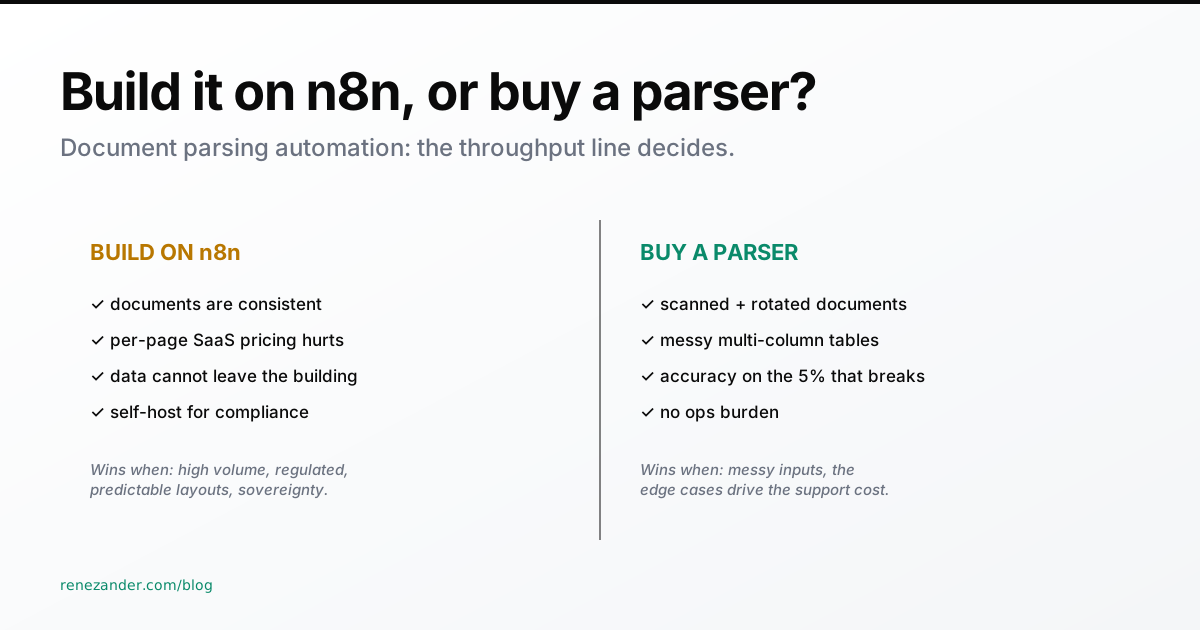
When Document Parsing Automation Is Worth It (and When to Buy Instead of Building on n8n)
Document parsing on n8n is commoditized. The value is the decision before the build: throughput threshold, build vs buy a parser, and self-hosting for compliance.
Sandboxing an AI Coding Agent: The Harness Owns the Boundaries
How I wrap a coding agent in a sandbox so each risky capability, from model routing to patch approval, sits behind its own boundary.
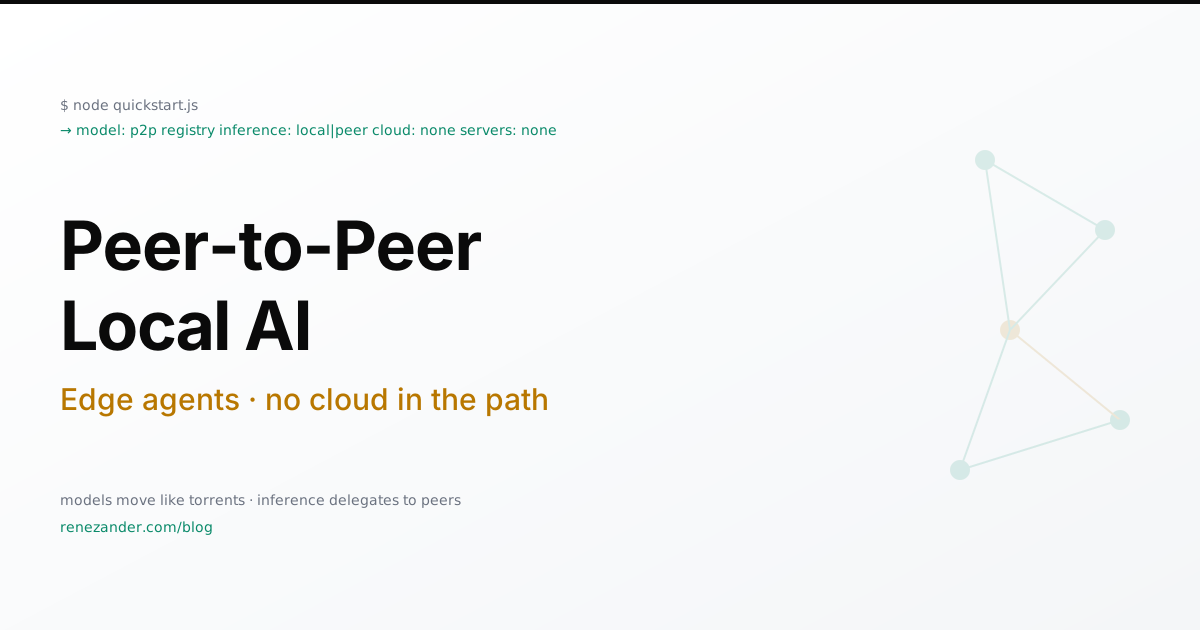
Peer-to-Peer Local AI: Edge Agents, No Cloud in the Path
P2P local AI: models arrive like torrents, inference can delegate to peers, no cloud in the path. Tested on a 4-core VPS with no GPU.
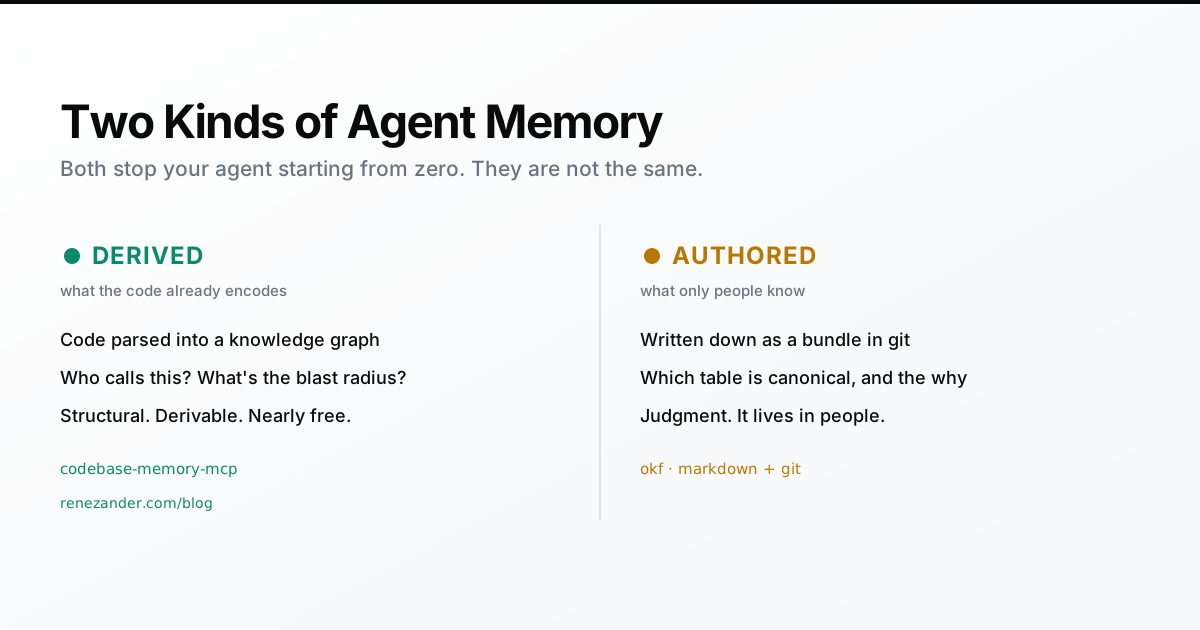
Two Kinds of Agent Memory: OKF Bundles vs. Codebase Knowledge Graphs
Knowledge graph agent memory comes in two kinds: one half is derivable from your code, one half only people can author. Mixing them wastes both.
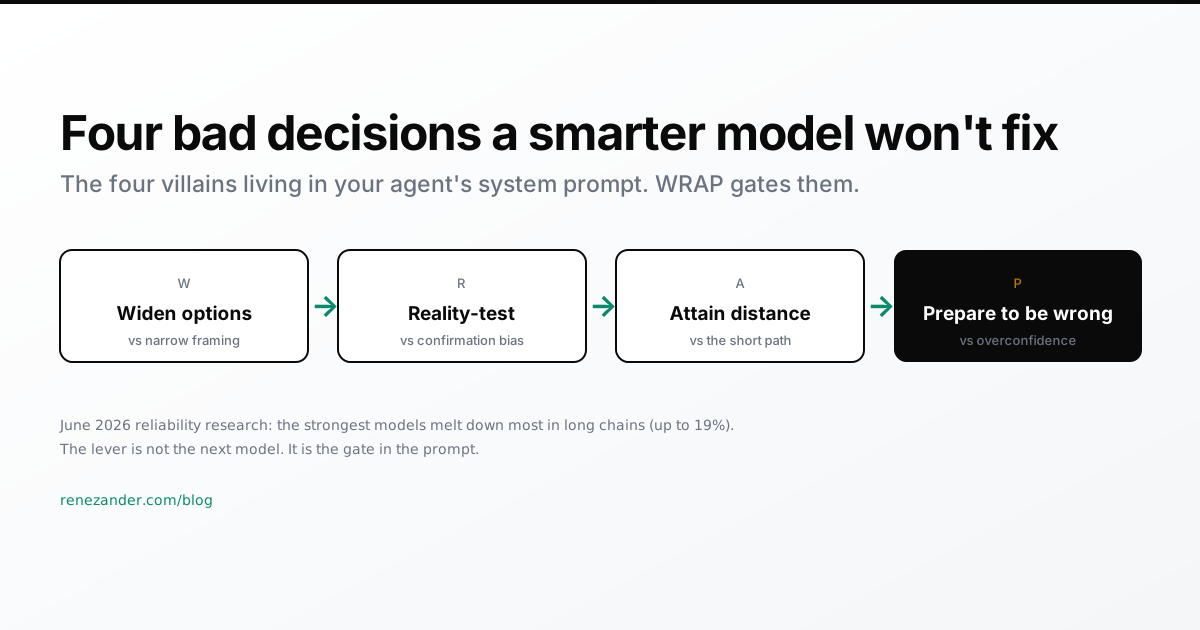
Your AI Agent Makes Four Bad Decisions a Smarter Model Won't Fix
AI agents fail decisions for the same four reasons people do. The WRAP framework, encoded as a system-prompt gate, fixes what a bigger model can't.
The context layer for your AI agents
Your agents answer from whatever the retriever finds, and too often that is last quarter's truth. I build the context layer they answer and act from: a temporal knowledge graph that keeps every fact with its source and the time it held, reads with each person's own permissions, and writes nothing without a person's approval. On your own tenant, billed by the hour, step by step.